We are updating our website and building a comprehensive Web3, AI, Crypto and Metaverse focused set of tools, services and solutions for our customers.
We are updating our website and building a comprehensive Web3, AI, Crypto and Metaverse focused set of tools, services and solutions for our customers.
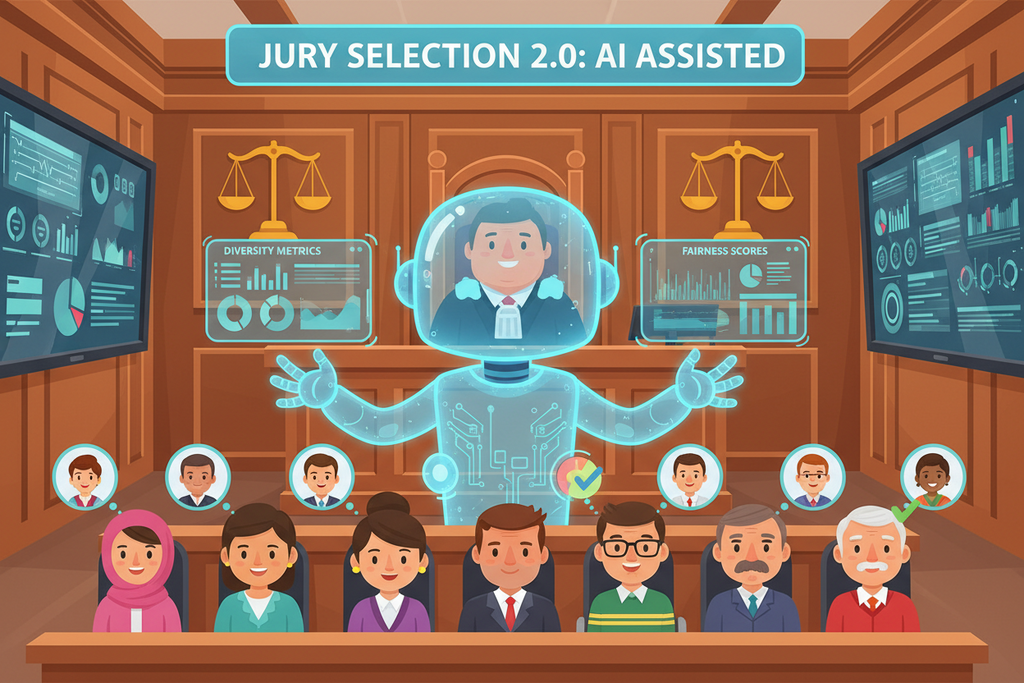
Artificial intelligence is rapidly transforming the courtroom — and one groundbreaking study unveiled at the 5th ACM Symposium on Computer Science and Law suggests AI may soon outperform traditional jury consultants in predicting juror decisions. As leading researchers and legal scholars gather in Berkeley to explore fairness, accountability, and data-driven justice, this year’s symposium highlights could reshape trial strategy and legal policy alike. Click to read the full story and discover how AI is redefining the future of jury selection.
A new AI research project is challenging one of the most intuition-driven parts of trial practice: jury selection. Developed by Silicon Valley researchers and legal experts, the transparent system analyzes mock juror data to predict verdict trends and even outperformed seasoned trial consultants in testing. Set to be presented at the ACM Symposium on Law and Computer Science, the breakthrough could expand access to data-driven trial strategy for public defenders and small legal teams — potentially reshaping courtroom decision-making. Read more...
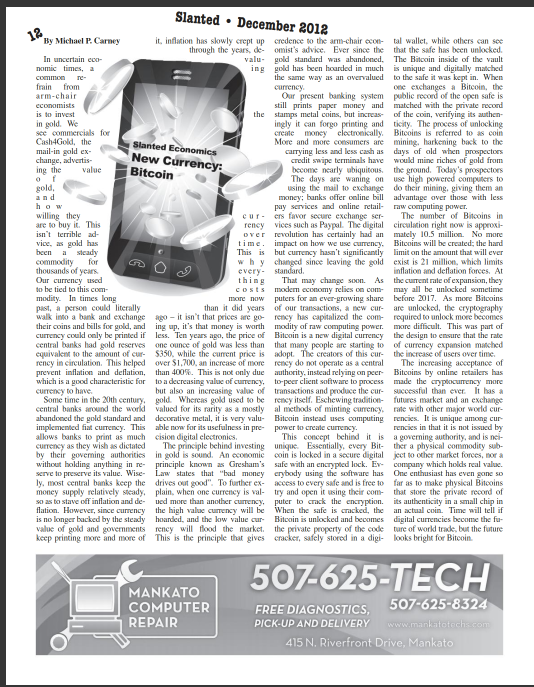
Discover how small businesses can benefit from accepting Bitcoin payments — from expanding customer reach to reducing fees and driving local economic engagement. Learn legal considerations and how to get started with crypto payments today.
Learn how placing a Bitcoin ATM near your newsstand or retail location can drive new customers and passive income. This article explains the benefits of hosting a Bitcoin ATM, how little space it requires, and how you can start earning monthly rent—plus how to contact Lawson Media & Publishing to get started.
Founded in 2011, LMP grew from a college independent study project into a bold experiment in decentralized digital publishing. What began at Minnesota State University as a vision for an internet-native media network—built during the early rise of Facebook—evolved through print magazines, online newspapers, cybersecurity battles, and the collapse of traditional media economics. A pivotal moment came in 2013 with the discovery of Bitcoin, sparking a deeper commitment to decentralization, free speech, and blockchain technology. Today, that original vision extends beyond publishing into Web3 and the future of AI, driven by the belief that truly resilient media—and society—must be decentralized at its core.